(Written & published by Elite Sports)
Did you know that yoga can help prevent lifestyle diseases? There are many different types of yoga, each with its unique set of benefits. There is a lot of research that supports how yoga can help prevent lifestyle diseases. Yoga is a holistic practice that helps to improve physical, mental, and emotional health.
It can help to improve posture, circulation, and breathing. Yoga also helps to reduce stress and anxiety, which can be a significant contributor to lifestyle diseases.
This article will discuss how yoga can help keep your body healthy and free from disease. We will also look at some of the most common lifestyle diseases and how yoga can help prevent them.
If you are looking for a way to improve your health, then consider adding yoga to your routine. But before indulging yourself in any type of exercise, make sure you wear immensely comfortable and stretchable workout clothes to get the maximum out of your workout session.
Controlling Hypertension With Yoga
Hypertension, or high blood pressure, is a common problem that can lead to heart disease and other serious health problems. While medications are often necessary to control hypertension, many lifestyle changes can help. Yoga is one such change that can be beneficial.
There are many different types of yoga, but all forms of the practice involve stretching and strengthening techniques. Yoga can help to improve circulation, which is important for controlling hypertension. The deep breathing exercises in yoga can also help lower blood pressure. In addition, yoga can help to improve stress management, which is often a factor in hypertension.
If you are looking for a way to control your hypertension without medication, yoga may be a good option for you.
Improving Posture With Yoga.
There are many benefits to practicing yoga. One such benefit is that it can help improve your body posture. When you practice yoga regularly, you stretch and strengthen the muscles in your back and core, which can help correct your posture. Similarly, the concentration and breathing exercises involved in yoga can help you become more aware of your body and position, which can help you to maintain good posture even when you’re not practicing yoga.
There are a few yoga poses that can help improve your body posture. One such pose is called the “Camel Pose.” to perform this pose, you will need to kneel on the floor with your knees hip-width apart. Place both of the hands on your back (lower back area), and press your hips forward as you arch your back. Hold this pose for a few seconds, and then release it.
Another yoga pose that can help improve your body posture is the “Puppy Pose.” to perform this pose, you need to get in the crawling position, with the assistance of both of your hands, which must be placed directly below your shoulders and your knees hip-width apart. Get your back in the round position by getting your chin towards the area of your chest and extending your tailbone towards the floor. Hold this pose for a few seconds, and then release it.
Boost Up Your Immunity With Yoga.
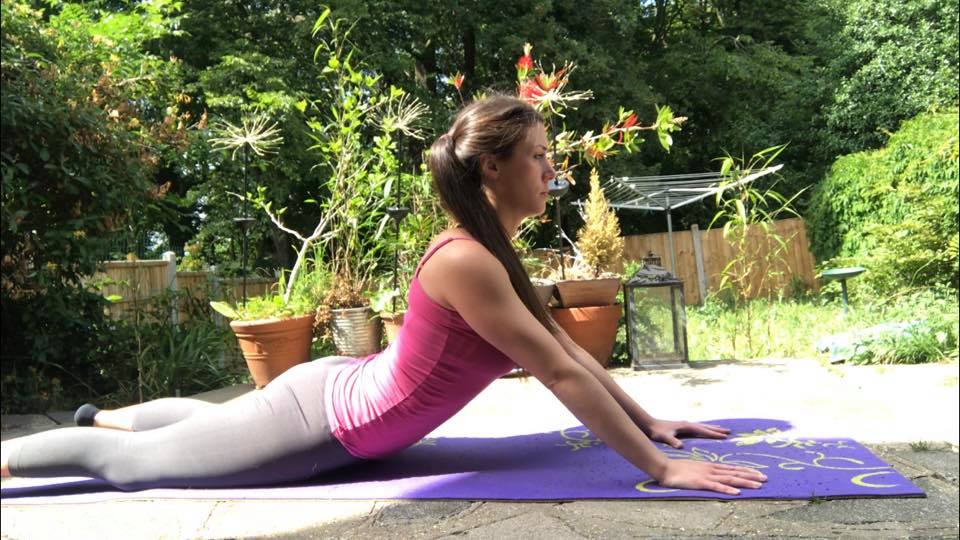
There are many yoga poses that help boost immunity, but some of the most effective poses are the Downward Dog, the Child’s Pose, and the Cobra Pose. These poses help to open up the chest and lungs, which helps to improve breathing and circulation.
They also stretch out the spine and muscles of your back area, which ultimately helps to improve overall flexibility. Along with that, these poses help to increase blood flow and circulation throughout the body, which helps to keep the immune system functioning at its best.
Improving Your Lung Capacity With Yoga.
No one yoga pose can specifically increase lung capacity, but practicing yoga regularly can help improve overall lung health. Some of the best poses for improving respiratory function are those that open the chest and lungs, such as Camel Pose, Cow Face Pose, and Fish Pose. These poses help to stretch and open the chest and lungs, which can help to improve breathing efficiency and lung capacity.
Similarly, many other yoga postures help in curing asthma, but some of the most effective ones include the camel pose, the cobra pose, and the locust pose. These poses help to open up the chest and improve breathing, which can help to relieve asthma symptoms remarkably.
Also, as discussed above to perform any workout you need to wear the appropriate athletic wear that should be easygoing, sweat-wicking, and lightweight.
Improved Mental Health With Yoga
There is a lot of anecdotal evidence and scientific research that suggests yoga helps improve mental health in people of all ages. One study published in the journal Mental Health and Yoga found that yoga was associated with improvements in symptoms of depression, anxiety, and stress in people with mental health conditions.
Another study, published in the journal Evidence-Based Complementary and Alternative Medicine, found that yoga was effective in reducing anxiety and stress among college students. And a study published in the journal Applied Psychophysiology and Biofeedback found that yoga was effective for lowering rumination (a thinking pattern that can lead to depression) among adults.
So why does yoga seem to be so beneficial for mental health? There are likely several reasons. Yoga can help improve mood by releasing endorphins, which are hormones that have mood-boosting effects. Yoga can also help improve self-awareness and mindfulness, which can help people become more aware of their thoughts and emotions and manage them more effectively. And finally, yoga can be a form of relaxation and stress relief, which can help reduce feelings of anxiety and depression.

 Lydia Lacey Fitness