How Yoga Helps Prevent Lifestyle Diseases.

(Written & published by Elite Sports)
Did you know that yoga can help prevent lifestyle diseases? There are many different types of yoga, each with its unique set of benefits. There is a lot of research that supports how yoga can help prevent lifestyle diseases. Yoga is a holistic practice that helps to improve physical, mental, and emotional health.  

It can help to improve posture, circulation, and breathing. Yoga also helps to reduce stress and anxiety, which can be a significant contributor to lifestyle diseases. 

This article will discuss how yoga can help keep your body healthy and free from disease. We will also look at some of the most common lifestyle diseases and how yoga can help prevent them. 

 If you are looking for a way to improve your health, then consider adding yoga to your routine. But before indulging yourself in any type of exercise, make sure you wear immensely comfortable and stretchable workout clothes to get the maximum out of your workout session. 

Controlling Hypertension With Yoga 

Hypertension, or high blood pressure, is a common problem that can lead to heart disease and other serious health problems. While medications are often necessary to control hypertension, many lifestyle changes can help. Yoga is one such change that can be beneficial. 

There are many different types of yoga, but all forms of the practice involve stretching and strengthening techniques. Yoga can help to improve circulation, which is important for controlling hypertension. The deep breathing exercises in yoga can also help lower blood pressure. In addition, yoga can help to improve stress management, which is often a factor in hypertension. 

If you are looking for a way to control your hypertension without medication, yoga may be a good option for you.  

Improving Posture With Yoga.  

There are many benefits to practicing yoga. One such benefit is that it can help improve your body posture. When you practice yoga regularly, you stretch and strengthen the muscles in your back and core, which can help correct your posture. Similarly, the concentration and breathing exercises involved in yoga can help you become more aware of your body and position, which can help you to maintain good posture even when you’re not practicing yoga. 

There are a few yoga poses that can help improve your body posture. One such pose is called the “Camel Pose.” to perform this pose, you will need to kneel on the floor with your knees hip-width apart. Place both of the hands on your back (lower back area), and press your hips forward as you arch your back. Hold this pose for a few seconds, and then release it. 

Another yoga pose that can help improve your body posture is the “Puppy Pose.” to perform this pose, you need to get in the crawling position, with the assistance of both of your hands, which must be placed directly below your shoulders and your knees hip-width apart. Get your back in the round position by getting your chin towards the area of your chest and extending your tailbone towards the floor. Hold this pose for a few seconds, and then release it. 

Boost Up Your Immunity With Yoga.  

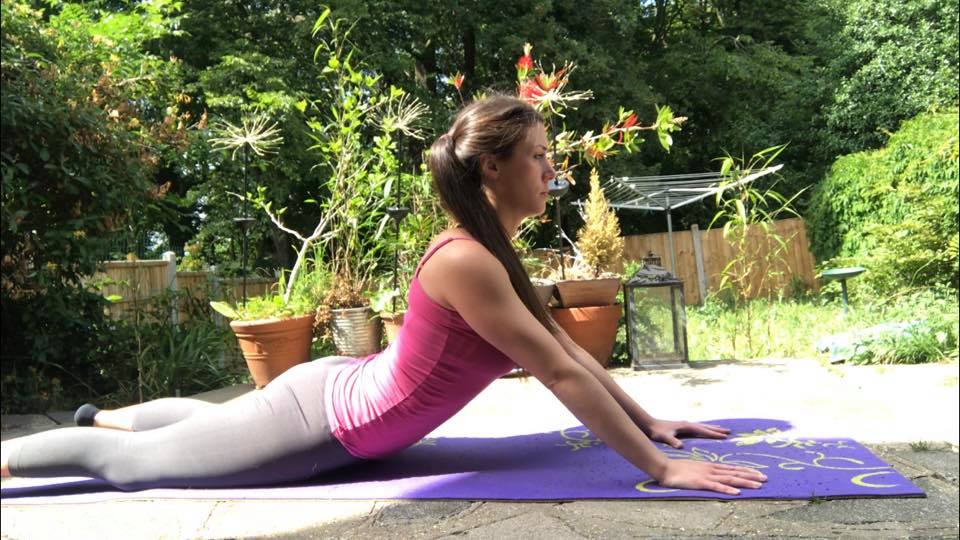
There are many yoga poses that help boost immunity, but some of the most effective poses are the Downward Dog, the Child’s Pose, and the Cobra Pose. These poses help to open up the chest and lungs, which helps to improve breathing and circulation.  

They also stretch out the spine and muscles of your back area, which ultimately helps to improve overall flexibility. Along with that, these poses help to increase blood flow and circulation throughout the body, which helps to keep the immune system functioning at its best. 

Improving Your Lung Capacity With Yoga.  

No one yoga pose can specifically increase lung capacity, but practicing yoga regularly can help improve overall lung health. Some of the best poses for improving respiratory function are those that open the chest and lungs, such as Camel Pose, Cow Face Pose, and Fish Pose. These poses help to stretch and open the chest and lungs, which can help to improve breathing efficiency and lung capacity.  

Similarly, many other yoga postures help in curing asthma, but some of the most effective ones include the camel pose, the cobra pose, and the locust pose. These poses help to open up the chest and improve breathing, which can help to relieve asthma symptoms remarkably.   

Also, as discussed above to perform any workout you need to wear the appropriate athletic wear that should be easygoing, sweat-wicking, and lightweight.  

Improved Mental Health With Yoga 

There is a lot of anecdotal evidence and scientific research that suggests yoga helps improve mental health in people of all ages. One study published in the journal Mental Health and Yoga found that yoga was associated with improvements in symptoms of depression, anxiety, and stress in people with mental health conditions. 

Another study, published in the journal Evidence-Based Complementary and Alternative Medicine, found that yoga was effective in reducing anxiety and stress among college students. And a study published in the journal Applied Psychophysiology and Biofeedback found that yoga was effective for lowering rumination (a thinking pattern that can lead to depression) among adults. 

So why does yoga seem to be so beneficial for mental health? There are likely several reasons. Yoga can help improve mood by releasing endorphins, which are hormones that have mood-boosting effects. Yoga can also help improve self-awareness and mindfulness, which can help people become more aware of their thoughts and emotions and manage them more effectively. And finally, yoga can be a form of relaxation and stress relief, which can help reduce feelings of anxiety and depression. 

The Toll of Mental Health on Physical Well-Being

To say the last year has been tough would be a huge understatement. Lockdowns have thrown our routines out the window and the constant sense of uncertainty on the future and the inability to make real concrete plans has compounded this sense of hopelessness for many. As a result, many are understandably in a continuous state of stress. This blog isn’t a solution to everybody’s problems, nor could it be – but there are some methods you can apply to help improve your mental and emotional state. But first I want to explain why this is important.

Why it’s important we keep our minds healthy

To summarise: stress and fear weakens the immune system. In fact it’s incredibly toxic for our bodies, as this state compromises our bodies ability to fight off antigens which makes us more susceptible to viruses and infections.

“For stress of any significant duration – from a few days to a few months or years, as happens in real life – all aspects of immunity went downhill. Thus long-term or chronic stress, through too much wear and tear, can ravage the immune system.”

Your mental state can therefore influence your health status, which is why it’s so important we recognise this mind-body interaction in an age where keeping our immune system strong is more important than ever, particularly if we’d like to achieve some normality within our lives again. Our immune system is our bodies defence mechanism against viruses and various other ailments, it detects toxic intruders within our system and our white blood cells fight off these germs.

“Your immune system steps in, like a bouncer who means business. It releases white blood cells and other chemicals that destroy these threats. Or it causes a reaction, like a sneeze, to boot out a virus in your nose. It’s an elite squad of agents that zap invaders — like bacteria, viruses, and fungi — ASAP. They zoom through your body and defend you.”

Managing negative emotions such as stress, fear or depression essentially helps our bodies fight germs. Volatile emotions can cause our body to release cortisol and adrenaline, which are hormones that are generally released during fight or flight situations, which supplies us with a burst of energy at moments where our bodies are required to make a rapid response. These hormones can spike our heart rate, blood pressure and energy levels (from extreme highs to lows) and as a result, can cause anxiety, lethargy, fluctuations in heart rate and so on. This impairs your body’s ability to rejuvenate and replenish itself particularly if this state of distress is continuous. Naturally this compromises the body’s production of white blood cells and its ability to fight off viruses and infections.

How can we can improve our mental state whilst the world is in chaos?


Exercise

I know this might sound like a trivial solution to some but exercise DOES improve your mood and your mental health. Exercise is a powerful medicine for many mental health challenges and has been shown to reduce mild to moderate depression just as effectively as anti-depressants. A study by Harvard T.H. Chan School of Public Health found that running for 15 minutes a day or walking for an hour reduces the risk of major depression by 26%. Exercise causes your body to release endorphins and serotonin, which are potent feel-good chemicals within the brain that enhance your mood and lighten your spirits – making exercise a natural and effective treatment for mental anguish.

For me personally, I find exercise to be a great way to focus your mind; whether you’re balancing on one foot, lifting heavy weights or moving in a more explosive, dynamic way – your senses will naturally become overloaded with what’s currently occurring in the body. This doesn’t give your mind the chance to drift towards negative thinking, your mind as a result is then fully engaged in the present moment.

We know that exercise is good for the body and this extends to our immune systems too:

As with anything, balance is always key. Too much exercise, too often that is too intense will also give your immune system a battering. Recovery and rest is also important to achieve balance.

Posture

How your body naturally positions itself can also affect your hormones, which will naturally influence your mood and potentially compound negative feelings if you’re already feeling low. I’ve written a blog that details how your posture affects your mood, click here to view.

If you’re feeling gloom, try not to carry yourself as if you are down in the dumps as you’ll only reinforce this feeling.

To conclude…

This blog draws attention to how the state of the mind directly impacts the health of the body by altering the function and strength of our immune system. Hence why I’d like to stress the importance on keeping our mind in good form and our spirits high in the midst of a pandemic.

This blog focuses on the physical changes you can apply that’ll help change the direction of your emotional state that’ll benefit you both mentally and physically. Though this piece fixates on the physical, there are other ways to lift your spirits during these times, such as connecting with friends/family, meditating and/or volunteering to help out in your community.

Understanding The Law of Attraction: How Your Thoughts Create Your Reality

Written by Lydia Lacey

The theory behind the law of attraction (loa) is that your thought patterns attract certain experiences into your life, and that like attracts like, i.e. positive or negative thoughts will create positive or negative experiences. Sounds oversimplified, right? Consider this: there is a wealth of research, particularly within the scope of quantum physics that proves that thoughts and the experience of reality are interconnected.

How Your Thoughts Create Reality

“Consciousness Creates Reality” – Physicists Admit The Universe Is Immaterial, Mental & Spiritual – R.C. Henry, Professor of Physics and Astronomy at Johns Hopkins University,“The Mental Universe”

Our current state of being, our inner self that produces thoughts, attitudes and feelings resonates us to a certain vibrational frequency. When these thoughts/attitudes change, so does our vibrational frequency (which is the energy we give out). So for example, fear has a certain frequency, when we experience fear we resonate the energy around us to this fearful vibration. This energy we put out (created by our thoughts/attitudes) then draws towards it, a reflection of itself, other energy fields, other people, situations, which then form experiences. What we are internally, we manifest externally.

secrets-of-the-universe

To change what we experience externally, we need to look at ourselves internally to understand what it is about our belief system that attracts certain experiences. If the energy we put out doesn’t change, then what comes back won’t change, so we end up repeating certain cycles in life. This can be in the form of dysfunctional relationships, financial instability, career dissatisfaction, and so forth. Think about people you know that continuously end up in the same scenarios – that’s no coincidence.

Let’s use the hypothetical example of a woman that continuously forms relationships with partners that are emotionally abusive. Let’s say hypothetically, at the core of her inner being is a low sense of self worth, which manifests itself into a feeling of incompleteness, a hole. This underpinning sense of incompleteness translates into a behavioral pattern, one that may tolerate, excuse or ignore disrespectful behavior from a partner. Meaning this sense of low self worth has unconsciously attracted an individual that treats their partner as worthless. The energy of one another matches and resonates with another, thereby drawing upon this experience. Ultimately, the situation will continue to repeat itself unless the woman changes her perception about herself.

To break out of such a circle, we need to reflect on our inner psychology and understand how we are responsible for the experiences we create. When we blame external forces and play the victim (bad partners, situations, timing, etc), we are merely blaming the reflection of what our inner self attracts. Playing the victim only serves to disempower the person from actually changing their reality.

If This Is True, Why Don’t More People Know About It?

Now, let’s be realistic here – society as we know it is a complete sham, not just nationally, but globally. We have poverty, war, inequality and even in the West, where safety and survival is not so much a cause for concern, people more often than not, are still distinctly unhappy. This is no accident by the way, it is a top down process intentionally designed to lock people into these lower energy fields.

We are socially conditioned to blame outside sources for our unhappiness, to blame the reflection instead of what manifests it. A society locked into unhappiness and fear is easier to control, people aren’t going to take the steps necessary to change their situation if deep down they don’t believe they are able to do so. It’s easier to push products and a consumerist culture onto people when individuals feel that they are lacking in some way, that they are in some way incomplete. It’s common knowledge now, that the system is not only broken, but completely corrupt. But people are still oblivious to the extent of which this failed system actually impacts upon their lives or how it alters and limits their perception of reality.

If such information became common knowledge, it would empower a mass number of people. This distinctly works against the interest of those in power. The more people that awaken to the fact that they are in control of the direction they lead their life in, the more this gradually chips away at the system of control, the more empowered you become. This is exactly what it means, to become “awake” in a society where the majority of people are “asleep”.

religion-eye-cosmic1

How Do We Start?

Start by monitoring your thoughts, and drawing the connections between your expectations and what you experience. Evaluate whether your thoughts are either positive or negative, then ask yourself, is this thought serving me in any way? Be brutally honest with yourself, and be forgiving, because there is nothing to achieve from guilt tripping or shaming yourself. Set the intention of taking control over your mind and your thoughts.

To develop the ultimate level of self-awareness, I would strongly recommend meditation. If you’re not sure how to start, click here for my other blog “Dealing With Anxiety Through Meditation” then scroll down to the section titled Taking Control of Your Breath. Meditation is a fantastic practice to cultivate self-awareness and regulate positive emotion, so anyone can reap the benefits. People often have the common misconception that meditation requires no thinking – which is inaccurate. Instead, allow your thoughts to flow, whilst you become the detached observer, reserving any judgement or feeling towards your thoughts. Where the mind goes, energy flows, so from this neutral plane you can then evaluate whether certain thoughts do or do not serve you, allowing you to make the distinction to where you should direct your mental energy to.

How Yoga Can Evolve Your Jiu-Jitsu Game

Written by Lydia Lacey

Yoga is an ancient Indian practice, referring to a range of physical, mental and spiritual disciplines designed to aid a person’s self-evolution. It is a complex and broad practice; so what exactly can yoga offer to Brazilian jiu-jitsu practitioners? From the offset, they are two disciplines many lay people wouldn’t picture together, one practice is associated with fighting, the other with inner peace and stillness.

Believe it or not, but as a practitioners of both disciplines, I can tell you that yoga and BJJ fit together like a glove, with yoga complimenting jiu-jitsu fighters better than any other supplement practice. So how exactly can yoga aid your jiu-jitsu?

Rectifying Common BJJ Misalignments

In jiu-jitsu, quite often your body is in a hunch over position, whether you’re in guard or in mount. This puts an excessive strain on the shoulder and neck area, and is doubly destructive if you’re in a seated position at a desk for the larger part of the day. This’ll create bad posture and eventually a weaker spine – your BJJ practice will be significantly limited once your spine becomes restricted in its range of motion. In addition, the hip flexors muscles also tend to become tight and inflexible due to repetitive contractions in many defence positions. As your spine and hips form the basis of your entire physical existence, it is vital you keep such areas mobile for your BJJ practice – your performance is guaranteed to suffer otherwise.

Fortunately there are a series of yoga poses that can rectify the negative effects BJJ can have on the body. For instance, locust and bow pose are beneficial to our posture by strengthening the very core muscle connected to the spine (the multifidis), along with all the outer muscles across the back. As for the hips, lizard pose, warrior 1 and pigeon pose can facilitate in bringing greater mobility to the hips, which is ideal for those that fight off their back and for anyone looking to improve their escaping techniques.

Breath & Mind Control

The whole ethos behind yogi breathing techniques is that you can control your state of mind through the flow of your breath. So imagine those moments before a competition or fight, when your anxiety is running wild – think how useful it would have been to understand how to breathe yourself into a composed, yet alert state of mind. Rather than let adrenaline make you erratic and impulsive, learning to breathe effectively brings about self-control, power and composure, to which you can effectively channel and evolve your nervous energy into a fierce opposition. Yoga teaches you to embrace the present moment with a calm and rational mind – the ultimate form of power.

Being able to breathe effectively is all the more important during competitions – think of how many practitioners gas too quickly in their fights, and it’s no wonder why. Fighters succumb to this rapid, frantic breath that is short, sharp and rapid. Such breathing doesn’t allow the fighter to supply the body and the brain with the necessary oxygen required to continue fighting to its full potential.

Through the practice of yoga, BJJ practitioners can cultivate focus, the ability the manage their emotions and breath effectively during fights.

gracie-meditate

Improved Balance & Power

All balancing poses serve to develop core strength and stability, which in turn makes the practitioner stronger. A fighter with strong core is significantly less likely to suffer from injuries and will have more power in their takedowns. Fighters with strong core and balance will be considerably harder to sweep or overthrow from mount, side guard, and so on. A strong sense of equilibrium and the ability to transition swiftly from one position to another are characteristics of a superior jiu-jitsu fighter.

Yoga also cultivates muscular endurance by holding asanas (poses), thus strengthening the muscles to withstand longer rounds with a greater degree of power, which is of course paramount for any serious jiu-jitsu practitioner.By training the body to hold yoga poses, the body will be more able to withstand and blast through a vigorous bout, without injuring itself. Because yoga trains and frees the body to a heightened degree of strength and mobility, the body will be able to endure more and fight with a greater level of freedom.

EnhanceYourBJJGameYoga.jpg

Increased Flexibility & Mobility

My greatest asset as a jiu-jitsu practitioner was by far, my flexibility and mobility. As a petite female, I didn’t have the build or weight behind me to physically overpower my opponents. I had to rely on technique, and utilise the strengths I did have, such as being agile and light. Being heavy certainly does have its advantages in jiu-jitsu, but even the strongest fighter will be severely limited in their progression if their flexibility and mobility remain poor. Escaping positions, transitioning from poses and pulling off more complicated attacks are all the more accessible for practitioners that have a greater range of motion in the joints, which is why the best fighters are well rounded in their fitness.

Practicing yoga regularly would bring greater dexterity to all the necessary muscles and joints. By having greater flexibility, you significantly reduce your chances of incurring many injuries as the range of motion within both the muscles and joints have increased. Being flexible enables the practitioner to execute more complicated submissions as well as escapes, giving the fighter more options in their game.

bjj

Me at the 2012 seni show (on the far right)

Finding Instruction

To get the best out of your yoga training, finding a yoga instructor with extensive BJJ experience is evidently a strong advantage. You can still reap the benefits of yoga training from a regular class, but a teacher with BJJ experience can tweak the practice to better suit jiu-jitsu fighters.

To find out more or to book your own yoga workshop tailored for BJJ practitioners, get in contact with Lydia by clicking the link here.

The Benefits Of Yoga For Office Workers

Written by Lydia Lacey

Yoga has become increasingly popular in the corporate world – and for good reasons too.  Proven to be beneficial for overall physical, mental and emotional well-being, yoga is the ideal practice for any professional in the corporate world looking to de-stress, be healthy and happy. With corporations such as Apple, Nike and Google, along with numerous companies in London incorporating yoga into the work week for their staff, it’s clear that yoga has something vital to offer to your everyday office worker.

office-yoga

Sitting for long periods of the day has now been equated to smoking, in terms of the damage it has to your health. Inactivity in conjunction with stress from work can literally strip years off your life, unless necessary action is taken. Fortunately, practicing yoga can counteract the variety of negative health effects an office job can bring. This includes:

Poor posture & Immobility

Many workers that are hunched over their desk for the majority of the day experience some form of back or neck pain. Sitting hunched forward for long periods shortens the pectorals (chest muscles), whilst weakening the trapezius (muscle round the lower back of the neck). This is damaging to the spine, and serves to create a hunched over posture. In addition, the hip flexor muscles are also shorted, becoming restrictive and inflexible. Immobility in the hips is the leading cause for falls in the elderly, which is why it is important to retain physical flexibility as you age.

Yoga both stretches and strengthens your chest, back and hips, and is the ideal practice to counteract the negative effects being seated for most the day has on your body. By targeting these areas, yoga serves to not only improve posture, but resolve a great deal of back/neck pain too.

Stress & Unhappiness

Through simply stretching, your body releases dopamine – a chemical within the brain that increases feelings of happiness. As stress is naturally stored within the muscles of the body, stretching relaxes both the body and the mind, as they’re both intimately connected.

In addition, through yoga, you learn how to slow down and expand through the breath, which has a relaxing effect on the sympathetic nervous system, essentially switching your mind from fight/flight mode, to relaxation mode. This is a helpful technique, in moments of stress and/or anxiety in the workplace.

Weight Gain

Sitting for long periods of the day not only weakens your abdominals, but it also compresses the stomach too, which slows down digestion – typically leading to weight gain. Sitting for long periods of the day can also lead to bloating, cramping and constipation, which is a great source of discomfort for many.

Fortunately yoga not only engages and strengthens the abdominals, but also aids digestion too. Twisting postures tone and stretch the abdominals, serving to massage the internal organs and promote blood flow, which aids digestion and detoxifies the body.

Could Yoga Benefit You?

There are a series of yoga poses and stretches that can improve virtually any health problem created by office inactivity or stress. Whether it’s insomnia, poor circulation, immobility or back pain, there will be a yoga pose that can aid in overcoming the problem. As nothing is more important than your own health and happiness, it is important to look after your body the best way you can.

To find out more or to book a corporate class with Lydia, click the contact link here.

stretching-in-office-16052011


Dealing With Anxiety Through Meditation

Written by Lydia Lacey

I was about 17/18 years old when I first started practicing yoga, after experiencing a debilitating lower back injury through martial arts, my physiotherapist recommended I take up the practice. After a few sessions, the pain from my injury completely subsided and I was officially hooked to my yoga practice. Initially however, I never really paid attention to the breathing element of yoga and I had absolutely zero interest in meditation. Reflecting back on my younger narrow-minded self, I associated breathing techniques and meditation as something that only weed smoking hippies dressed in psychedelic patterns would practice – not something I considered cool back then!

It wasn’t till a couple years later that I was open to the idea of practicing meditation or breathing exercises. As a natural over-thinker prone to anxiety – incorporating meditation into my routine really was life changing. Better late than never!

The basis behind yogi breathing

The idea behind breathing techniques is that you can control your state of mind with the flow of your breath. The mind, body and breath are intimately connected, so our thoughts and physiology can be influenced via our breathing pattern (this has been scientifically proven too). If you think about people that suffer from stress or anxiety, you’ll notice that in their most anguished states, these people suffer from a short, sharp and erratic breathing pattern. So in times when your emotions get the best of you, pause and take a moment to acknowledge your breathing, and remind yourself that you can take back control over how you’re feeling by simply slowing down and expanding your breath. This can switch off the panic or stress response we have built in our minds, as slow breathing has a calming effect on our nervous system.

Think of it this way, your mind is either the key to happiness and bliss or the barrier to it. Your mind can be either productive or destructive. There is no source outside of you that is responsible for how you feel and respond to situations. Once you recognise this reality, you empower yourself to change your mind and your state of emotions.

yoga-breathing-6

How breathing influences your physiology

Slow, deep breathing can in moments of stress switch us from the sympathetic (fight or flight response), to the parasympathetic nervous system (relaxation response). In moments of intense panic, anxiety or stress, the sympathetic nervous system sends signals through the automated nerves to the adrenal glands, which produce adrenaline. Adrenaline causes the heart rate to increase and the breathing to become more rapid. This is exactly the opposite of what you want to achieve during bouts of anxiety and stress. By breathing rapidly, you are confirming to your body that you are in a state of stress, and your body will respond by releasing the hormones relative to your current state of being. It’s a destructive circle that can easily spiral downwards at the worse moments.

Fortunately however, we are not helpless to this process. By taking deep breaths, we can start to slow down and reverse this response in moments of anxiety by dampening our body’s production of stress hormones. By stimulating the parasympathetic nervous system, we bring ourselves into a relaxed state of being, both physically and mentally.

By voluntarily changing the rate, depth, and pattern of breathing, we can change the messages being sent from the body’s respiratory system to the brain. In this way, breathing techniques provide a portal to the autonomic communication network through which we can, by changing our breathing patterns, send specific messages to the brain using the language of the body, a language the brain understands and to which it responds. Messages from the respiratory system have rapid, powerful effects on major brain centers involved in thought, emotion, and behavior.

just-breathe

Taking control of your breath

So the breathing pattern I practice at home (and teach at my yoga classes) goes like this:
Inhale in through the nose and exhale out through the mouth. Once you get into this flow after a few breaths, start to invite your inhalations down a little bit deeper while simultaneously slowing down your breath.

Then when you’re ready, start to follow your exhalations all the way through to the end, so there is no more air to expel from the body. This will naturally create space within the lungs for a fuller breath of fresh air by ejecting any stagnant oxygen from within the body. Following this complete exhalation, take a deep inhalation once again in through the nostrils and this time; try to inhale slowly to your full lung capacity as you inhale past the chest, into the lower stomach. As you take these deeper breaths, think of it as you’re trying to fill all of that lung space by inhaling fully.

So now, continuing with this deep breathing pattern, start to slow your breathing rate down to 3-4 seconds for both your inhalations and for your exhalations. During this time frame, you are both inhaling fully on your inhalations and exhaling completely on your exhalations.

Generally, our breathing doesn’t tend to go past the chest area in our regular day to day breath, but when you breathe deeply and fully, your stomach, chest and collarbones will start to expand and rise as it fills with oxygen.

Final Thoughts

I never realised until I started practicing meditation, the ways in which overthinking and anxiety could restrict you in so many areas of life. From limiting my interaction in social settings to preventing me from making bold leaps in the right direction with my career, to simply causing me unnecessary worry. Anxiety at its worse steals your peace away from the present moment, often blocking suffers from progressing forward in many areas of their lives too.

Daily meditation makes you all the more reflective on where your own overthinking and negative thought patterns are really the only things that are holding you back. Deep breathing exercises in moments of anxiety, worry and/or panic can enable you to restore a sense of calamity into your state of mind and emotions, putting you in control over how you feel at any given time.

Welcome…

Welcome to Lydia Lacey Yoga, a webpage designed to inspire a way of life that incorporates physical, mental and spiritual progression as a way of attaining long term happiness and fulfillment.

Positive Minded Fitness covers topics ranging from fitness, to meditation, to self-progression and more, covering the countless ways yoga benefits both the body and mind.

lacey-yoga